Narrow Palate / Upper Jaw
What does it mean when the upper jaw is too narrow?
Parents increasingly hear terms like narrow palate, high-arched palate, and transverse deficiency.
The important question is how the upper jaw relates to the lower jaw and whether that relationship is creating an orthodontic problem.
When a true transverse discrepancy is present, expansion can be a powerful way to address the width problem rather than simply aligning teeth within a narrow arch.
What might make us look more closely?

A narrow upper jaw may be associated with a posterior crossbite, a lower-jaw shift when biting, dental compensation, crowding or a visibly constricted upper arch.
Some patients with narrow maxillary anatomy also report nasal or breathing concerns. Those symptoms are considered as part of the broader history while the orthodontic recommendation remains based on the dental and skeletal findings.
How is a transverse problem evaluated?
Dr. Martin evaluates the relationship of the upper and lower arches, the bite, dental inclinations, growth and facial/skeletal relationships.
Diagnostic records are selected according to the clinical question. The purpose is to determine whether the problem is primarily dental, skeletal or a combination - because that distinction influences the type of expansion and treatment timing.
Normal vs. narrow
upper jaw
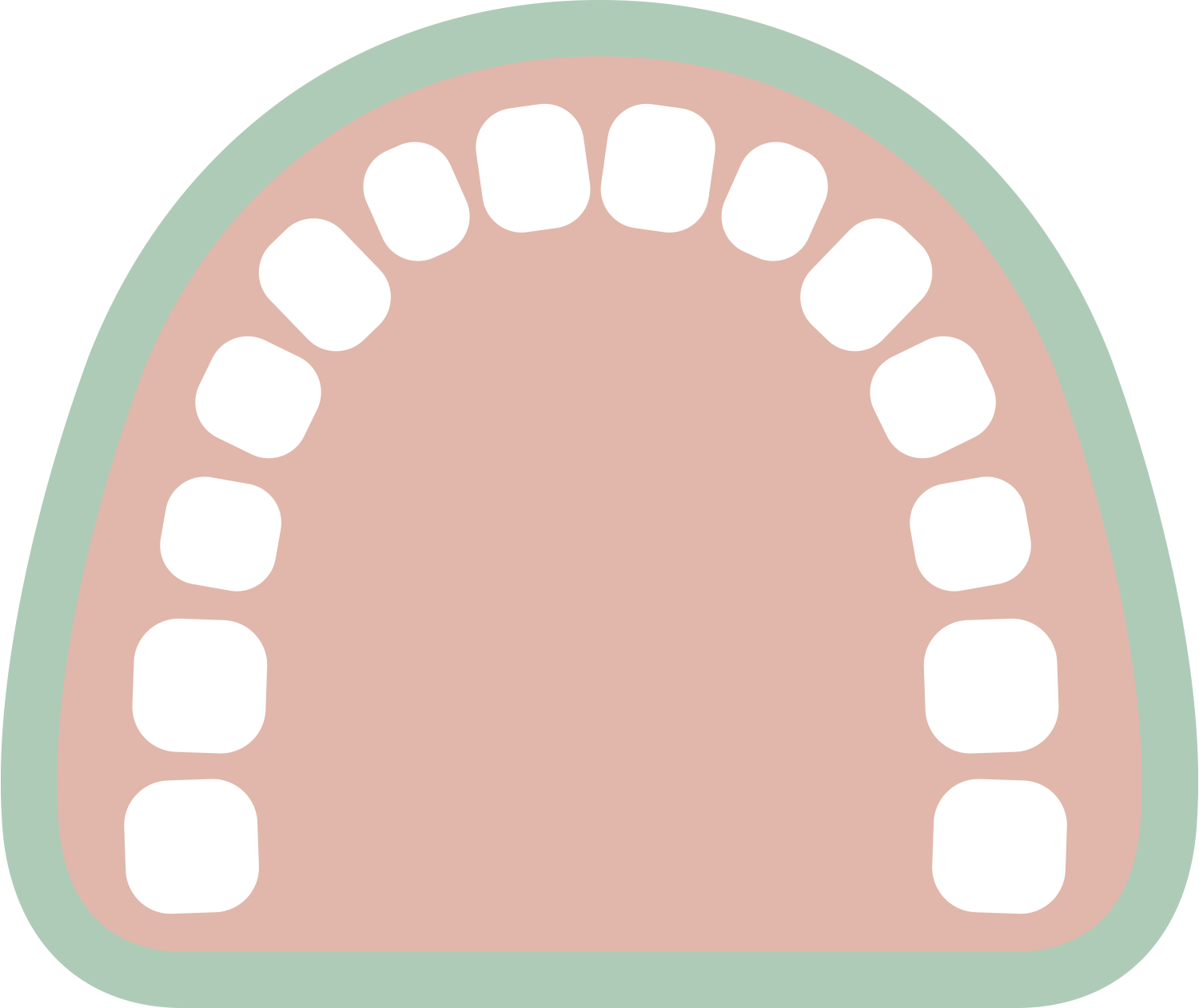
Normal Upper Palate
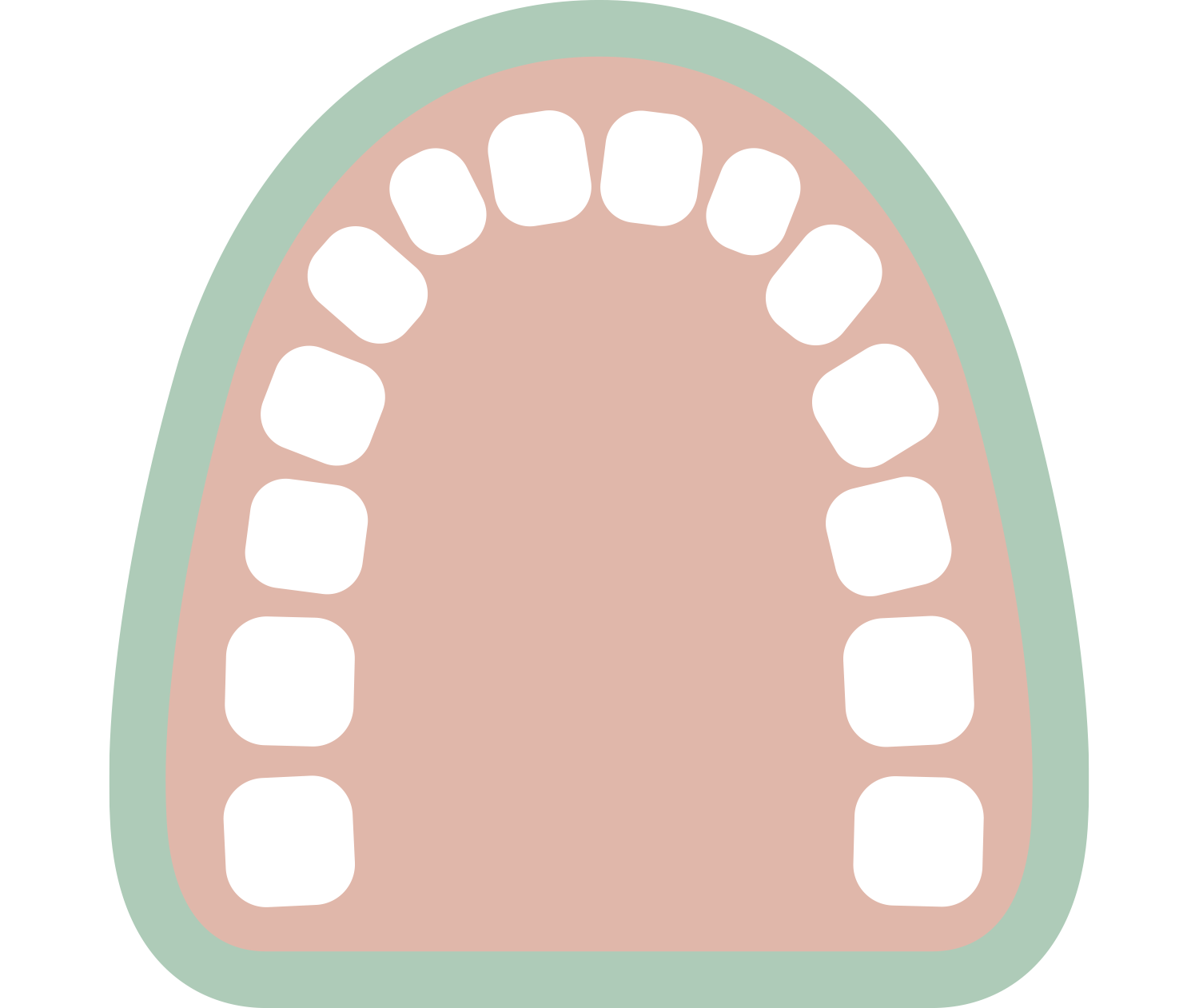
Narrow Upper Palate

How is a narrow upper jaw treated?
Treatment depends heavily on growth and skeletal maturity.
Child
A growing child with a meaningful transverse deficiency can often benefit from conventional palatal expansion.

Adolescent
A more mature adolescent may be treated with conventional expansion or MARPE depending on the diagnosis and maturity.
Adult
Selected adults may be candidates for MARPE or a surgically assisted approach.
Recognizing the problem earlier generally gives us more opportunity to work with growth and a broader range of treatment options.
Width matters.
So does timing.
If your dentist, pediatric dentist or another provider has mentioned that your child - or you - may have a narrow upper jaw, an orthodontic evaluation can clarify the transverse relationship and the best approach to correction.
Expansion treatments
-
![A stylized illustration outline indicating movement or adjustment to the left and right]()
Palatal Expansion
Making room by addressing width
-
![A stylized illustration outline indicating movement or adjustment to the left and right]()
MARPE
A more skeletal approach to expansion
-
![Magnifying glass illustration on a green abstract background.]()
Early Evaluation
Benefiting from timely intervention
-
![Stylized illustration outline of an upper palate with wavy lines.]()
Airway-Conscious
Addressing concerns with breathing
-
![A stylized illustration outline indicating movement or adjustment to the left and right]()
Adult Expansion
Thoughtful expansion strategies for adults